2026 Pollinator of the Year, the Swallowtail butterfly, lands majestically on a red penta flower in the wildlife garden at my home, Sand & Stone Cottage, on the Gulf coast of Florida.
It’s National Pollinator Week, June 22nd - 28th here in the United States. Pollinator Week is an annual celebration supporting pollinator health. It was started by Pollinator Partnership almost twenty years ago. The main objective is to raise awareness for pollinators and educate folks on what we can do to protect them.
Check out all the good things they have going on to support pollinators!
Protecting pollinators and wildlife conservation are topics dear to my heart. There is so much peace, joy, magic, and wonder to be found in the natural world. Pollinators are the backbone of biodiversity and healthy ecosystems. They make our world what it is: pure magic. 🐝
Pollinators play a crucial roll in sustaining the planet’s ecosystems and ensuring global food security. They are responsible for 1 in every 3 bites of food we eat. Nearly 75% of the world’s flowering plants and over three quarters of staple crops require animal pollination. They provide immense support to human life and now more than ever it is time to return the favor by stewarding their habitat.

While we have many different types of pollinators at Sand & Stone Cottage, butterflies are my favorite to photograph. I think they like being muses because they always seem to pose for me.
I’ve planted a wildlife garden in my yard to help support pollinators in my area using a mix of Florida-friendly and native plants. By choosing the right plants we are able to provide nectar, pollen, and habitat for our little friends.
It’s important to look up each flower you select to make sure it’s not invasive. Recently I made the mistake of buying a colorful lantana. I had mistakenly thought lantana was native with Florida friendly cultivars, however most lantana readily available is invasive and can easily hybridize with the rare, native lantana, corrupting the gene pool and putting it closer to extinction.
Beyond choosing native and recommended plants, there are many ways to support pollinators in your garden or backyard.

The Gulf Fritillary, taking nectar here from a penta flower, is also known as the Passion butterfly because the passionflower vine is the exclusive host plant for its caterpillars.
At my home, we planted our front yard with a mix of Florida-friendly and native plants that support pollinators. Simple practices help us ensure they are safe and well taken care of in our outdoor oasis. 🪲
Here are some easy ways to make your outdoor space a safe place for pollinators:
Add Host & Nectar Plants: Include specific plants that support pollinators with nectar or habitat to lay their eggs on. Plants like Milkweed, Passionflower, Fennel, Parsley, Dill, Buttonbush, Firebush, Coreopsis, Spotted Bee Balm, American Beautyberry, Blanket Flower, Sunshine Mimosa, Tropical Sage, and Pentas are all excellent choices
Go Pesticide-Free: Avoid chemical pesticides, which are fatal to bees and caterpillars. They are indescriminate poisoners. Just don’t use them!
Use Natural Fertilizers: Synthetic fertilizers can cause sensory confusion for pollinators in addition to nutrient imbalances and chemical runoff. Compost or leaf mulch is a much better option.
Be Less Tidy: Leaf litter is a microhabitat for insects, providing shelter and moisture retention. Hollow, dead stems provide habitat and spent flowers provide seeds for wildlife to eat.
Seasonal Layers: Choose plants that bloom in different seasons so you can perpetually have something flowering for them
Plant in Clumps: Group several of the same plant together making it easier for pollinators to find them
Create Water Spots: Fill a shallow dish like a drip tray with water and small rocks for insects to safely drink from.
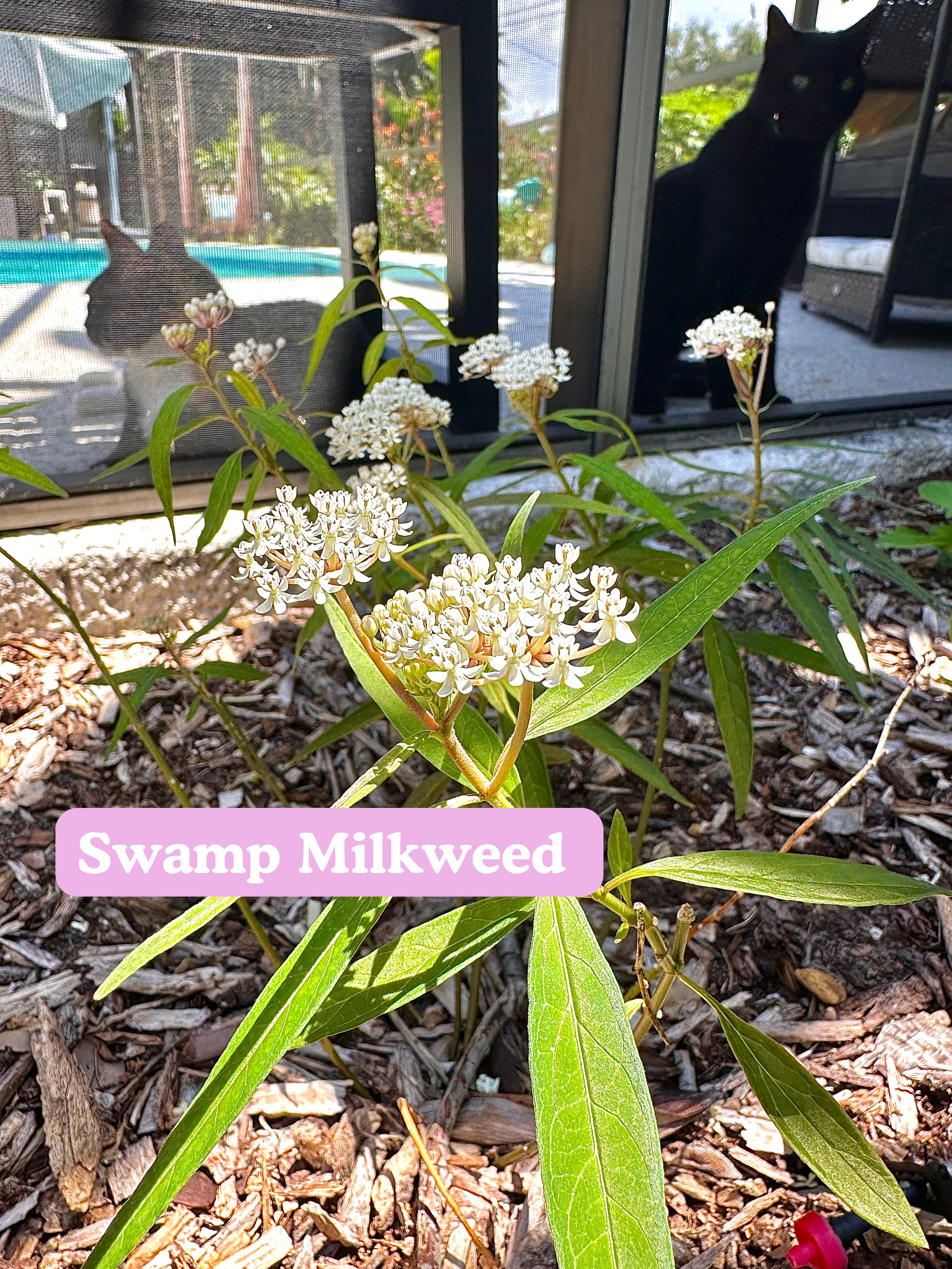
Swamp Milkweed is a Florida native that makes a great addition to wetter areas of your pollinator garden

Coreopsis, Florida’s state wildflower and Blanket Flower, a naturalized wildflower now known to be from Texas and Mexico
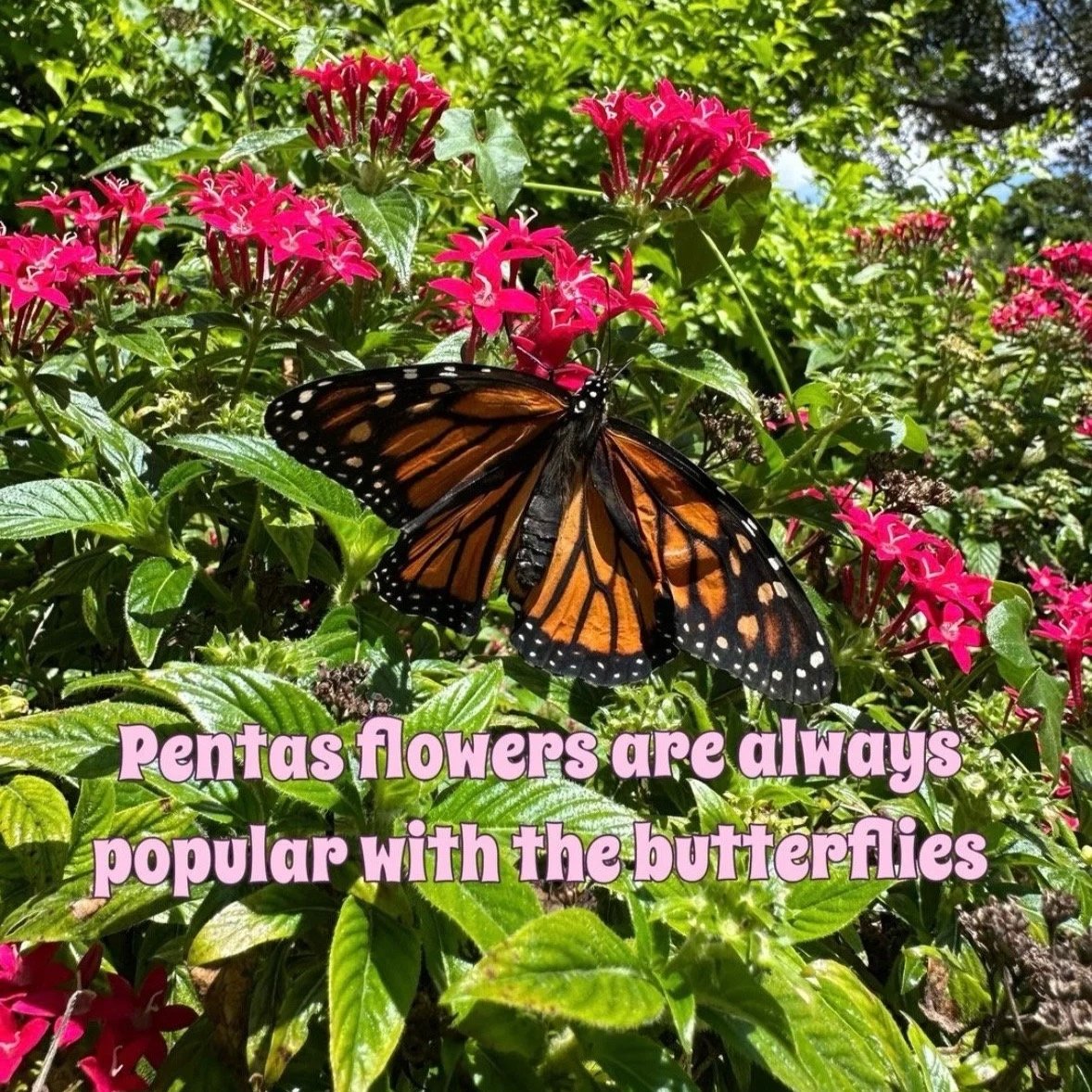
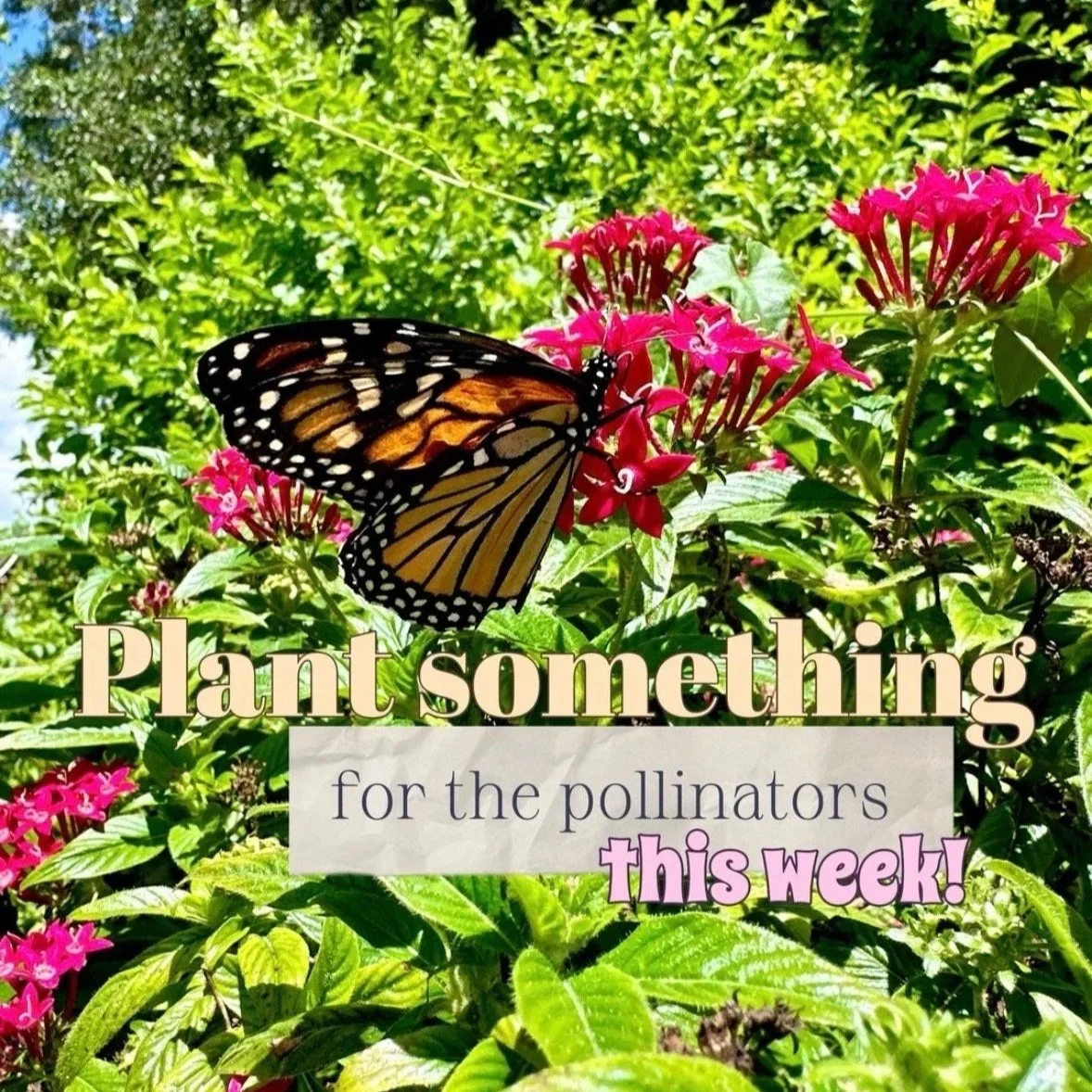
Though pentas are not native, they are a Florida-friendly plant that does especially well in our heat and humidity. They are an excellent nectar source for bees and butterflies.
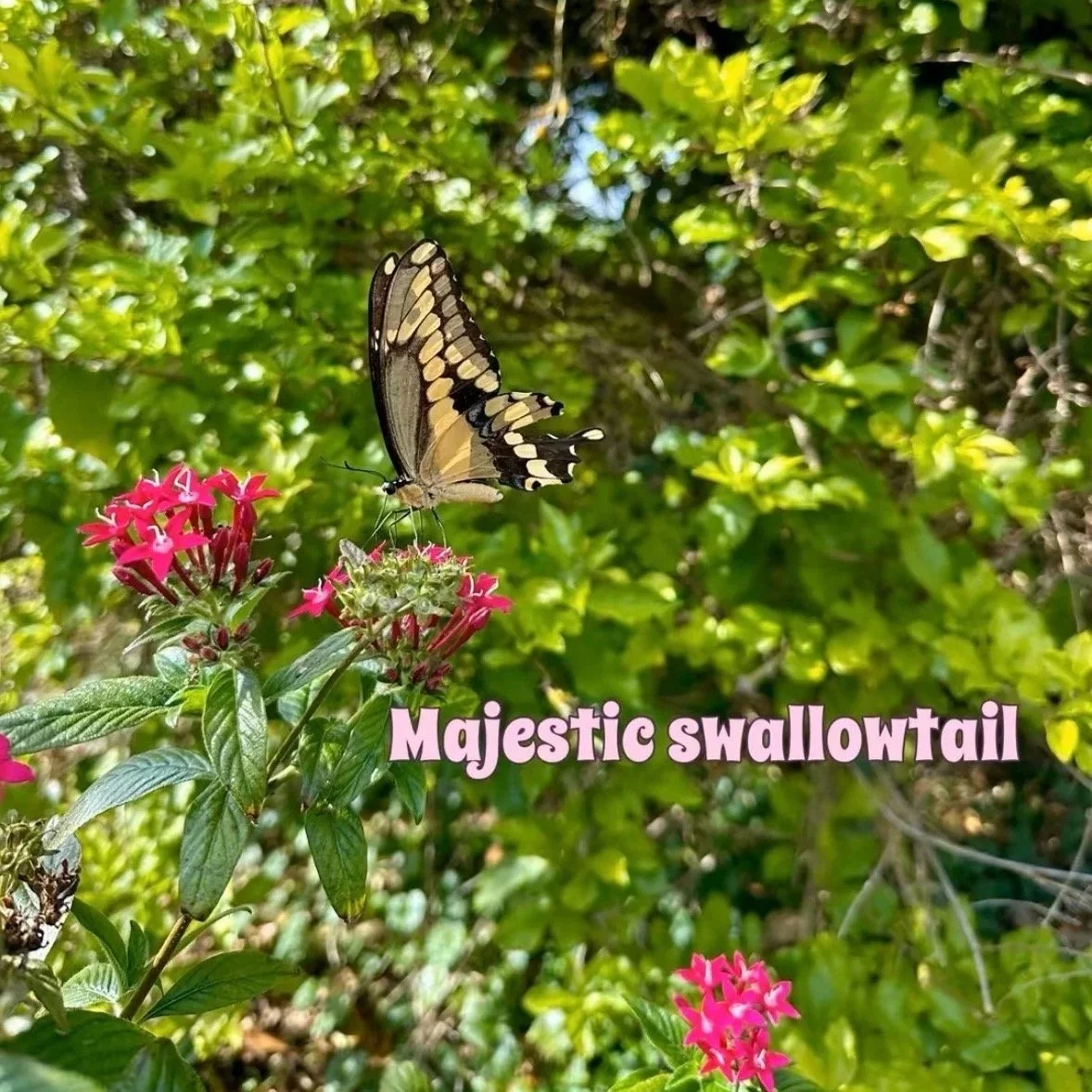
Happy Pollinator Week from my garden!